Debt Consolidation: How It Works and When It Makes Sense in 2025
Debt Consolidation: How It Works and When It Makes Sense in 2025
Hamed Rahimi
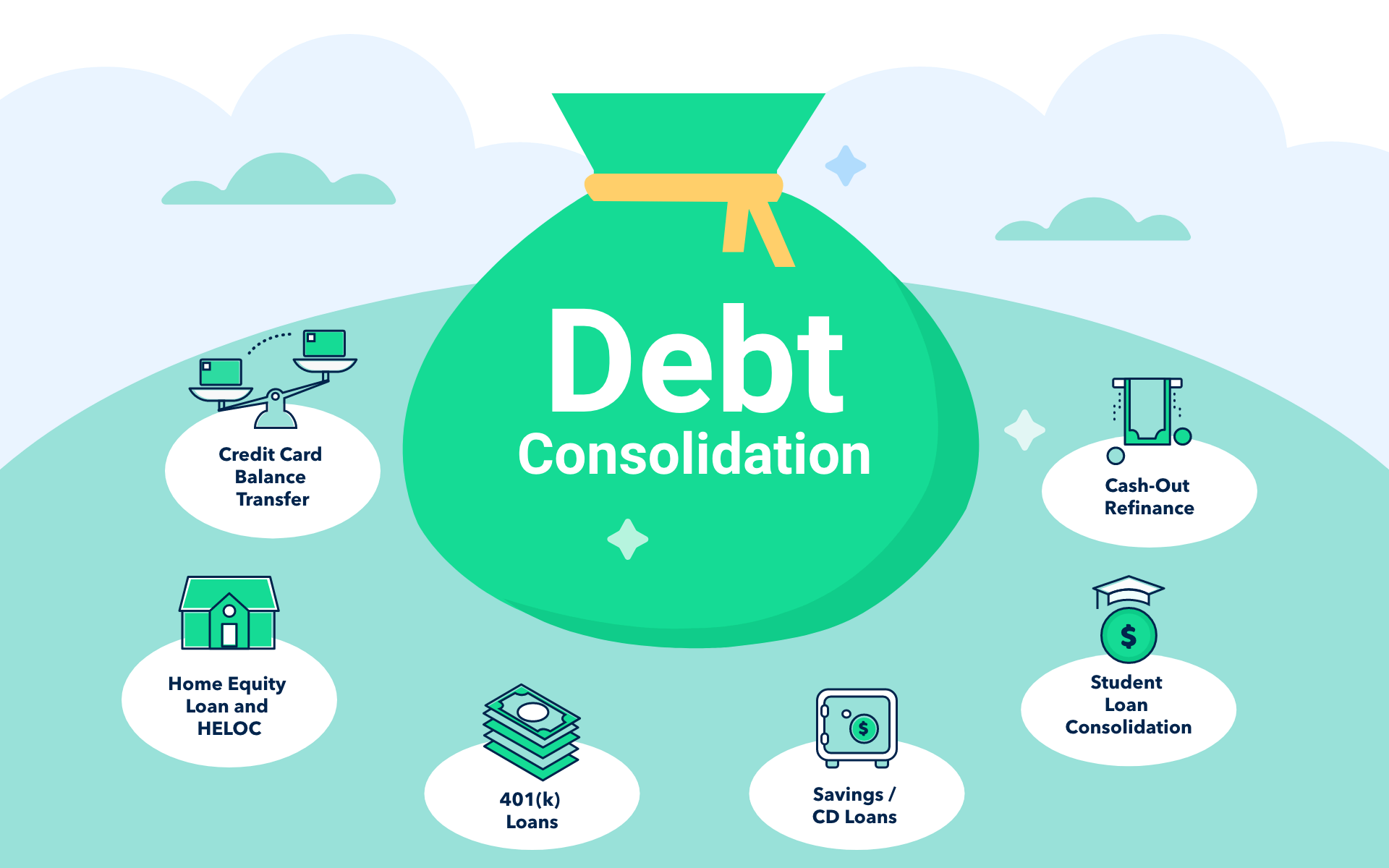
High-interest debt can drain your finances and make it harder to qualify for a mortgage. In 2025, with credit card rates averaging 19%+ and personal loan rates climbing, debt consolidation is becoming a popular solution for Canadians looking to simplify their finances — and lower monthly payments.
In this guide, we’ll cover:
What debt consolidation is and how it works
The main consolidation options in Canada
How it impacts your credit score
When it makes sense (and when it doesn’t)
1. What is Debt Consolidation?
Debt consolidation is the process of combining multiple debts into one single loan or credit product — ideally with a lower interest rate and more manageable payment schedule.
💡 Example:
If you have 3 credit cards at 19% interest and consolidate them into a home equity loan at 6%, you’ll save on interest and simplify your payments.
2. Common Debt Consolidation Options in Canada (2025)
A. Mortgage Refinance with Equity Take-Out
Uses your home’s equity to pay off high-interest debts.
Typically offers the lowest interest rate compared to other consolidation options.
Works best if you have at least 20% equity and stable income.
B. Home Equity Line of Credit (HELOC)
Flexible, revolving credit secured against your home.
Interest-only payments available, but discipline is required to avoid re-accumulating debt.
C. Personal Loan
Fixed payments and term.
Good for those without home equity but with decent credit.
Interest rates vary based on credit score.
D. Balance Transfer Credit Card
Low or 0% interest promotional period (usually 6–12 months).
Best for short-term repayment strategies.
Fees and reversion to high interest after promo must be considered.
3. Pros of Debt Consolidation
✅ Lower interest rates → pay less over time.
✅ One payment instead of many → simplifies budgeting.
✅ Can improve credit score if managed properly.
✅ Reduces stress by having a clear payoff plan.
4. Cons of Debt Consolidation
⚠️ Requires good credit or home equity for best rates.
⚠️ Risk of running up debt again if spending habits don’t change.
⚠️ Some options have fees (legal, appraisal, transfer).
5. Impact on Your Credit Score
Short-term: Applying for a new loan may cause a small dip due to a hard inquiry.
Long-term: On-time payments and reduced utilization can significantly boost your score.
6. When Debt Consolidation Makes Sense in 2025
✅ You have multiple debts with interest rates over 10%.
✅ You have steady income to make consistent payments.
✅ You have home equity or a strong credit profile.
✅ You want to simplify your finances before applying for a mortgage.
When It Might Not Be the Right Move
❌ If you don’t address the spending habits that caused the debt.
❌ If consolidation costs (penalties, fees) outweigh savings.
❌ If your current debts are close to being paid off at low interest.
Example Savings — 2025 Scenario
Without consolidation:
$25,000 total debt across 3 credit cards at 19% interest.
Minimum payments: ~$750/month.
Interest over 5 years: ~$14,000.
With mortgage refinance at 5.79%:
New payment: ~$480/month.
Interest over 5 years: ~$3,800.
Savings: Over $10,000 in interest.
Bottom Line
Debt consolidation can be a powerful financial reset in 2025 — especially if you’re preparing to buy a home or refinance your mortgage. The key is to choose the right product for your situation and commit to staying debt-free.
📊 Wondering if debt consolidation will help you qualify for a mortgage?
I can review your situation and show you the exact impact on your approval odds.
High-interest debt can drain your finances and make it harder to qualify for a mortgage. In 2025, with credit card rates averaging 19%+ and personal loan rates climbing, debt consolidation is becoming a popular solution for Canadians looking to simplify their finances — and lower monthly payments.
In this guide, we’ll cover:
What debt consolidation is and how it works
The main consolidation options in Canada
How it impacts your credit score
When it makes sense (and when it doesn’t)
1. What is Debt Consolidation?
Debt consolidation is the process of combining multiple debts into one single loan or credit product — ideally with a lower interest rate and more manageable payment schedule.
💡 Example:
If you have 3 credit cards at 19% interest and consolidate them into a home equity loan at 6%, you’ll save on interest and simplify your payments.
2. Common Debt Consolidation Options in Canada (2025)
A. Mortgage Refinance with Equity Take-Out
Uses your home’s equity to pay off high-interest debts.
Typically offers the lowest interest rate compared to other consolidation options.
Works best if you have at least 20% equity and stable income.
B. Home Equity Line of Credit (HELOC)
Flexible, revolving credit secured against your home.
Interest-only payments available, but discipline is required to avoid re-accumulating debt.
C. Personal Loan
Fixed payments and term.
Good for those without home equity but with decent credit.
Interest rates vary based on credit score.
D. Balance Transfer Credit Card
Low or 0% interest promotional period (usually 6–12 months).
Best for short-term repayment strategies.
Fees and reversion to high interest after promo must be considered.
3. Pros of Debt Consolidation
✅ Lower interest rates → pay less over time.
✅ One payment instead of many → simplifies budgeting.
✅ Can improve credit score if managed properly.
✅ Reduces stress by having a clear payoff plan.
4. Cons of Debt Consolidation
⚠️ Requires good credit or home equity for best rates.
⚠️ Risk of running up debt again if spending habits don’t change.
⚠️ Some options have fees (legal, appraisal, transfer).
5. Impact on Your Credit Score
Short-term: Applying for a new loan may cause a small dip due to a hard inquiry.
Long-term: On-time payments and reduced utilization can significantly boost your score.
6. When Debt Consolidation Makes Sense in 2025
✅ You have multiple debts with interest rates over 10%.
✅ You have steady income to make consistent payments.
✅ You have home equity or a strong credit profile.
✅ You want to simplify your finances before applying for a mortgage.
When It Might Not Be the Right Move
❌ If you don’t address the spending habits that caused the debt.
❌ If consolidation costs (penalties, fees) outweigh savings.
❌ If your current debts are close to being paid off at low interest.
Example Savings — 2025 Scenario
Without consolidation:
$25,000 total debt across 3 credit cards at 19% interest.
Minimum payments: ~$750/month.
Interest over 5 years: ~$14,000.
With mortgage refinance at 5.79%:
New payment: ~$480/month.
Interest over 5 years: ~$3,800.
Savings: Over $10,000 in interest.
Bottom Line
Debt consolidation can be a powerful financial reset in 2025 — especially if you’re preparing to buy a home or refinance your mortgage. The key is to choose the right product for your situation and commit to staying debt-free.
📊 Wondering if debt consolidation will help you qualify for a mortgage?
I can review your situation and show you the exact impact on your approval odds.
High-interest debt can drain your finances and make it harder to qualify for a mortgage. In 2025, with credit card rates averaging 19%+ and personal loan rates climbing, debt consolidation is becoming a popular solution for Canadians looking to simplify their finances — and lower monthly payments.
In this guide, we’ll cover:
What debt consolidation is and how it works
The main consolidation options in Canada
How it impacts your credit score
When it makes sense (and when it doesn’t)
1. What is Debt Consolidation?
Debt consolidation is the process of combining multiple debts into one single loan or credit product — ideally with a lower interest rate and more manageable payment schedule.
💡 Example:
If you have 3 credit cards at 19% interest and consolidate them into a home equity loan at 6%, you’ll save on interest and simplify your payments.
2. Common Debt Consolidation Options in Canada (2025)
A. Mortgage Refinance with Equity Take-Out
Uses your home’s equity to pay off high-interest debts.
Typically offers the lowest interest rate compared to other consolidation options.
Works best if you have at least 20% equity and stable income.
B. Home Equity Line of Credit (HELOC)
Flexible, revolving credit secured against your home.
Interest-only payments available, but discipline is required to avoid re-accumulating debt.
C. Personal Loan
Fixed payments and term.
Good for those without home equity but with decent credit.
Interest rates vary based on credit score.
D. Balance Transfer Credit Card
Low or 0% interest promotional period (usually 6–12 months).
Best for short-term repayment strategies.
Fees and reversion to high interest after promo must be considered.
3. Pros of Debt Consolidation
✅ Lower interest rates → pay less over time.
✅ One payment instead of many → simplifies budgeting.
✅ Can improve credit score if managed properly.
✅ Reduces stress by having a clear payoff plan.
4. Cons of Debt Consolidation
⚠️ Requires good credit or home equity for best rates.
⚠️ Risk of running up debt again if spending habits don’t change.
⚠️ Some options have fees (legal, appraisal, transfer).
5. Impact on Your Credit Score
Short-term: Applying for a new loan may cause a small dip due to a hard inquiry.
Long-term: On-time payments and reduced utilization can significantly boost your score.
6. When Debt Consolidation Makes Sense in 2025
✅ You have multiple debts with interest rates over 10%.
✅ You have steady income to make consistent payments.
✅ You have home equity or a strong credit profile.
✅ You want to simplify your finances before applying for a mortgage.
When It Might Not Be the Right Move
❌ If you don’t address the spending habits that caused the debt.
❌ If consolidation costs (penalties, fees) outweigh savings.
❌ If your current debts are close to being paid off at low interest.
Example Savings — 2025 Scenario
Without consolidation:
$25,000 total debt across 3 credit cards at 19% interest.
Minimum payments: ~$750/month.
Interest over 5 years: ~$14,000.
With mortgage refinance at 5.79%:
New payment: ~$480/month.
Interest over 5 years: ~$3,800.
Savings: Over $10,000 in interest.
Bottom Line
Debt consolidation can be a powerful financial reset in 2025 — especially if you’re preparing to buy a home or refinance your mortgage. The key is to choose the right product for your situation and commit to staying debt-free.
📊 Wondering if debt consolidation will help you qualify for a mortgage?
I can review your situation and show you the exact impact on your approval odds.
Get my latest mortgage tips, tools, and guides — delivered right to you.
No spam, unsubscribe anytime.