Fixed vs Variable Mortgages: Which is Better in 2025?
Fixed vs Variable Mortgages: Which is Better in 2025?
Hamed Rahimi
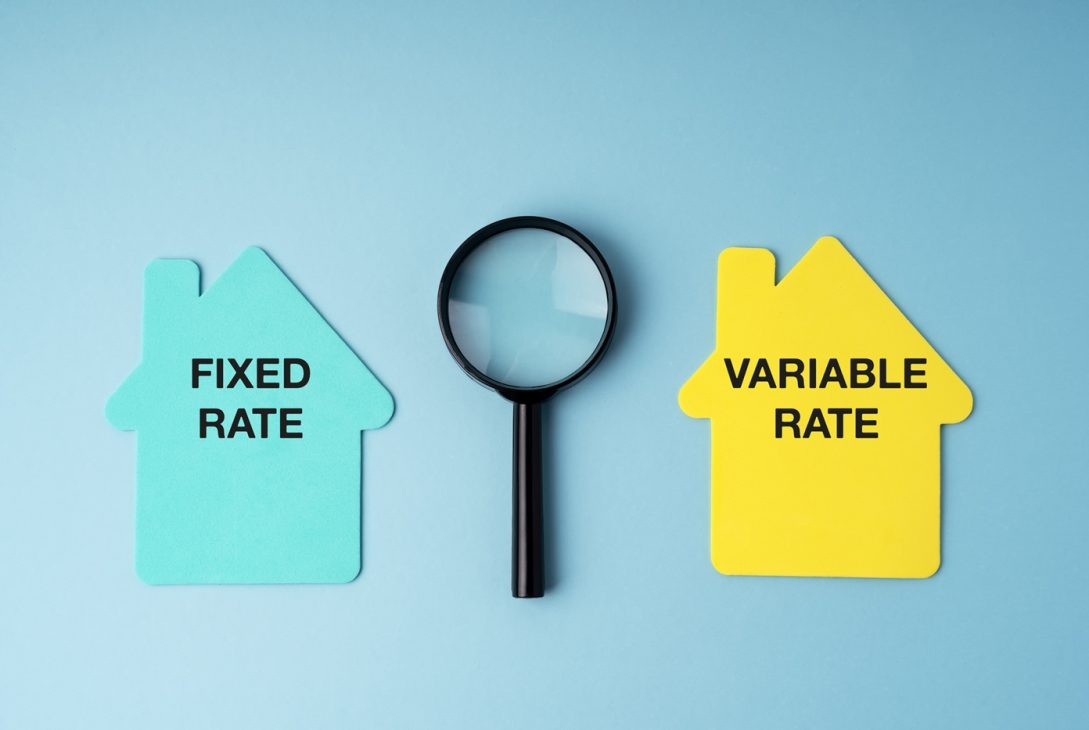
Choosing between a fixed or variable mortgage is one of the biggest decisions you’ll make when buying or refinancing a home. In Canada’s 2025 market — with interest rates, inflation, and housing prices all in the spotlight — the right choice can save you thousands.
With over $150M in mortgages funded, I’ve helped hundreds of clients weigh the pros and cons of each option based on their budget, goals, and market conditions. In this post, we’ll break down what you need to know in 2025 to make an informed choice.
1. What is a Fixed-Rate Mortgage?
A fixed-rate mortgage has an interest rate that stays the same for the entire term (commonly 1–5 years in Canada).
Pros:
Predictable payments for the entire term
Easier budgeting and planning
Protection against interest rate increases
Cons:
Higher starting rate compared to some variable options
Larger penalties if you break the mortgage early
Less flexibility if rates drop
2. What is a Variable-Rate Mortgage?
A variable-rate mortgage has an interest rate that changes with the lender’s prime rate, which is influenced by the Bank of Canada’s policy rate.
There are two main types in Canada:
Adjustable Rate Mortgage (ARM): Payment changes when the rate changes
Variable Rate with Fixed Payment: Payment stays the same, but more or less goes toward interest/principal depending on rates
Pros:
Historically, variable rates have averaged lower than fixed rates
More flexibility to take advantage of rate drops
Lower penalties if you break the mortgage early
Cons:
Payments can increase if rates rise
Harder to budget with certainty
Rate fluctuations may cause stress
3. The 2025 Interest Rate Environment in Canada
As of early 2025:
The Bank of Canada has kept rates elevated to manage inflation, but small rate cuts are possible later this year
Fixed mortgage rates remain slightly higher than some variable rates, but the gap is narrower than in previous years
💡 Why this matters:
If rates are expected to drop, variable could be appealing. If stability is more important, fixed offers peace of mind.
4. Comparing Costs: Fixed vs Variable in 2025
Example Scenario:
Mortgage amount: $500,000
25-year amortization
Fixed (5-year term @ 4.79%)
Payment: $2,849/month
Total interest over 5 years: ~$115,000
Variable (5-year term @ 4.55%)
Payment: $2,770/month (adjustable)
If rates drop by 0.50% in year 2, payments drop to ~$2,700/month
If rates rise by 0.50%, payments increase to ~$2,840/month
5. Breaking a Mortgage: Why It Matters
Life happens — and breaking a mortgage early can be expensive.
Fixed Rate Penalty: Usually the greater of 3 months’ interest or Interest Rate Differential (IRD) — which can be thousands more
Variable Rate Penalty: Usually just 3 months’ interest — much cheaper
💡 If you think you might sell, refinance, or pay down your mortgage early, variable could save you in penalties.
6. Who Should Choose Fixed in 2025?
A fixed mortgage might be right for you if:
You want stable, predictable payments
You’re risk-averse and prefer certainty
You believe rates are more likely to rise than fall
You plan to keep the mortgage for the full term
7. Who Should Choose Variable in 2025?
A variable mortgage might be right for you if:
You’re comfortable with some payment fluctuation
You believe rates may drop during your term
You want lower penalties if you break the mortgage early
You can handle potential short-term increases in payments
8. Hybrid Mortgages: The Middle Ground
A hybrid mortgage splits your mortgage into part fixed, part variable — giving you some stability and some flexibility.
Example: $300k fixed, $200k variable on a $500k mortgage
This can work well for clients who want to hedge their bets in uncertain markets.
9. My Process for Helping Clients Decide
When clients ask me whether to go fixed or variable, I look at:
Income stability
Risk tolerance
Future plans (selling, upgrading, refinancing)
Market forecasts and lender promotions
No two situations are the same — and the right choice for your neighbour may be the wrong one for you.
Final Word: Fixed vs Variable in 2025
In Canada’s 2025 market, the decision comes down to certainty vs. potential savings.
Not sure which is right for you?
I’ll run the numbers for your exact situation and show you the 5-year cost difference between fixed and variable — so you can decide with confidence.
Choosing between a fixed or variable mortgage is one of the biggest decisions you’ll make when buying or refinancing a home. In Canada’s 2025 market — with interest rates, inflation, and housing prices all in the spotlight — the right choice can save you thousands.
With over $150M in mortgages funded, I’ve helped hundreds of clients weigh the pros and cons of each option based on their budget, goals, and market conditions. In this post, we’ll break down what you need to know in 2025 to make an informed choice.
1. What is a Fixed-Rate Mortgage?
A fixed-rate mortgage has an interest rate that stays the same for the entire term (commonly 1–5 years in Canada).
Pros:
Predictable payments for the entire term
Easier budgeting and planning
Protection against interest rate increases
Cons:
Higher starting rate compared to some variable options
Larger penalties if you break the mortgage early
Less flexibility if rates drop
2. What is a Variable-Rate Mortgage?
A variable-rate mortgage has an interest rate that changes with the lender’s prime rate, which is influenced by the Bank of Canada’s policy rate.
There are two main types in Canada:
Adjustable Rate Mortgage (ARM): Payment changes when the rate changes
Variable Rate with Fixed Payment: Payment stays the same, but more or less goes toward interest/principal depending on rates
Pros:
Historically, variable rates have averaged lower than fixed rates
More flexibility to take advantage of rate drops
Lower penalties if you break the mortgage early
Cons:
Payments can increase if rates rise
Harder to budget with certainty
Rate fluctuations may cause stress
3. The 2025 Interest Rate Environment in Canada
As of early 2025:
The Bank of Canada has kept rates elevated to manage inflation, but small rate cuts are possible later this year
Fixed mortgage rates remain slightly higher than some variable rates, but the gap is narrower than in previous years
💡 Why this matters:
If rates are expected to drop, variable could be appealing. If stability is more important, fixed offers peace of mind.
4. Comparing Costs: Fixed vs Variable in 2025
Example Scenario:
Mortgage amount: $500,000
25-year amortization
Fixed (5-year term @ 4.79%)
Payment: $2,849/month
Total interest over 5 years: ~$115,000
Variable (5-year term @ 4.55%)
Payment: $2,770/month (adjustable)
If rates drop by 0.50% in year 2, payments drop to ~$2,700/month
If rates rise by 0.50%, payments increase to ~$2,840/month
5. Breaking a Mortgage: Why It Matters
Life happens — and breaking a mortgage early can be expensive.
Fixed Rate Penalty: Usually the greater of 3 months’ interest or Interest Rate Differential (IRD) — which can be thousands more
Variable Rate Penalty: Usually just 3 months’ interest — much cheaper
💡 If you think you might sell, refinance, or pay down your mortgage early, variable could save you in penalties.
6. Who Should Choose Fixed in 2025?
A fixed mortgage might be right for you if:
You want stable, predictable payments
You’re risk-averse and prefer certainty
You believe rates are more likely to rise than fall
You plan to keep the mortgage for the full term
7. Who Should Choose Variable in 2025?
A variable mortgage might be right for you if:
You’re comfortable with some payment fluctuation
You believe rates may drop during your term
You want lower penalties if you break the mortgage early
You can handle potential short-term increases in payments
8. Hybrid Mortgages: The Middle Ground
A hybrid mortgage splits your mortgage into part fixed, part variable — giving you some stability and some flexibility.
Example: $300k fixed, $200k variable on a $500k mortgage
This can work well for clients who want to hedge their bets in uncertain markets.
9. My Process for Helping Clients Decide
When clients ask me whether to go fixed or variable, I look at:
Income stability
Risk tolerance
Future plans (selling, upgrading, refinancing)
Market forecasts and lender promotions
No two situations are the same — and the right choice for your neighbour may be the wrong one for you.
Final Word: Fixed vs Variable in 2025
In Canada’s 2025 market, the decision comes down to certainty vs. potential savings.
Not sure which is right for you?
I’ll run the numbers for your exact situation and show you the 5-year cost difference between fixed and variable — so you can decide with confidence.
Choosing between a fixed or variable mortgage is one of the biggest decisions you’ll make when buying or refinancing a home. In Canada’s 2025 market — with interest rates, inflation, and housing prices all in the spotlight — the right choice can save you thousands.
With over $150M in mortgages funded, I’ve helped hundreds of clients weigh the pros and cons of each option based on their budget, goals, and market conditions. In this post, we’ll break down what you need to know in 2025 to make an informed choice.
1. What is a Fixed-Rate Mortgage?
A fixed-rate mortgage has an interest rate that stays the same for the entire term (commonly 1–5 years in Canada).
Pros:
Predictable payments for the entire term
Easier budgeting and planning
Protection against interest rate increases
Cons:
Higher starting rate compared to some variable options
Larger penalties if you break the mortgage early
Less flexibility if rates drop
2. What is a Variable-Rate Mortgage?
A variable-rate mortgage has an interest rate that changes with the lender’s prime rate, which is influenced by the Bank of Canada’s policy rate.
There are two main types in Canada:
Adjustable Rate Mortgage (ARM): Payment changes when the rate changes
Variable Rate with Fixed Payment: Payment stays the same, but more or less goes toward interest/principal depending on rates
Pros:
Historically, variable rates have averaged lower than fixed rates
More flexibility to take advantage of rate drops
Lower penalties if you break the mortgage early
Cons:
Payments can increase if rates rise
Harder to budget with certainty
Rate fluctuations may cause stress
3. The 2025 Interest Rate Environment in Canada
As of early 2025:
The Bank of Canada has kept rates elevated to manage inflation, but small rate cuts are possible later this year
Fixed mortgage rates remain slightly higher than some variable rates, but the gap is narrower than in previous years
💡 Why this matters:
If rates are expected to drop, variable could be appealing. If stability is more important, fixed offers peace of mind.
4. Comparing Costs: Fixed vs Variable in 2025
Example Scenario:
Mortgage amount: $500,000
25-year amortization
Fixed (5-year term @ 4.79%)
Payment: $2,849/month
Total interest over 5 years: ~$115,000
Variable (5-year term @ 4.55%)
Payment: $2,770/month (adjustable)
If rates drop by 0.50% in year 2, payments drop to ~$2,700/month
If rates rise by 0.50%, payments increase to ~$2,840/month
5. Breaking a Mortgage: Why It Matters
Life happens — and breaking a mortgage early can be expensive.
Fixed Rate Penalty: Usually the greater of 3 months’ interest or Interest Rate Differential (IRD) — which can be thousands more
Variable Rate Penalty: Usually just 3 months’ interest — much cheaper
💡 If you think you might sell, refinance, or pay down your mortgage early, variable could save you in penalties.
6. Who Should Choose Fixed in 2025?
A fixed mortgage might be right for you if:
You want stable, predictable payments
You’re risk-averse and prefer certainty
You believe rates are more likely to rise than fall
You plan to keep the mortgage for the full term
7. Who Should Choose Variable in 2025?
A variable mortgage might be right for you if:
You’re comfortable with some payment fluctuation
You believe rates may drop during your term
You want lower penalties if you break the mortgage early
You can handle potential short-term increases in payments
8. Hybrid Mortgages: The Middle Ground
A hybrid mortgage splits your mortgage into part fixed, part variable — giving you some stability and some flexibility.
Example: $300k fixed, $200k variable on a $500k mortgage
This can work well for clients who want to hedge their bets in uncertain markets.
9. My Process for Helping Clients Decide
When clients ask me whether to go fixed or variable, I look at:
Income stability
Risk tolerance
Future plans (selling, upgrading, refinancing)
Market forecasts and lender promotions
No two situations are the same — and the right choice for your neighbour may be the wrong one for you.
Final Word: Fixed vs Variable in 2025
In Canada’s 2025 market, the decision comes down to certainty vs. potential savings.
Not sure which is right for you?
I’ll run the numbers for your exact situation and show you the 5-year cost difference between fixed and variable — so you can decide with confidence.
Get my latest mortgage tips, tools, and guides — delivered right to you.
No spam, unsubscribe anytime.