How Much House Can You Afford? A Detailed Affordability Breakdown (Canada 2025)
How Much House Can You Afford? A Detailed Affordability Breakdown (Canada 2025)
Hamed Rahimi
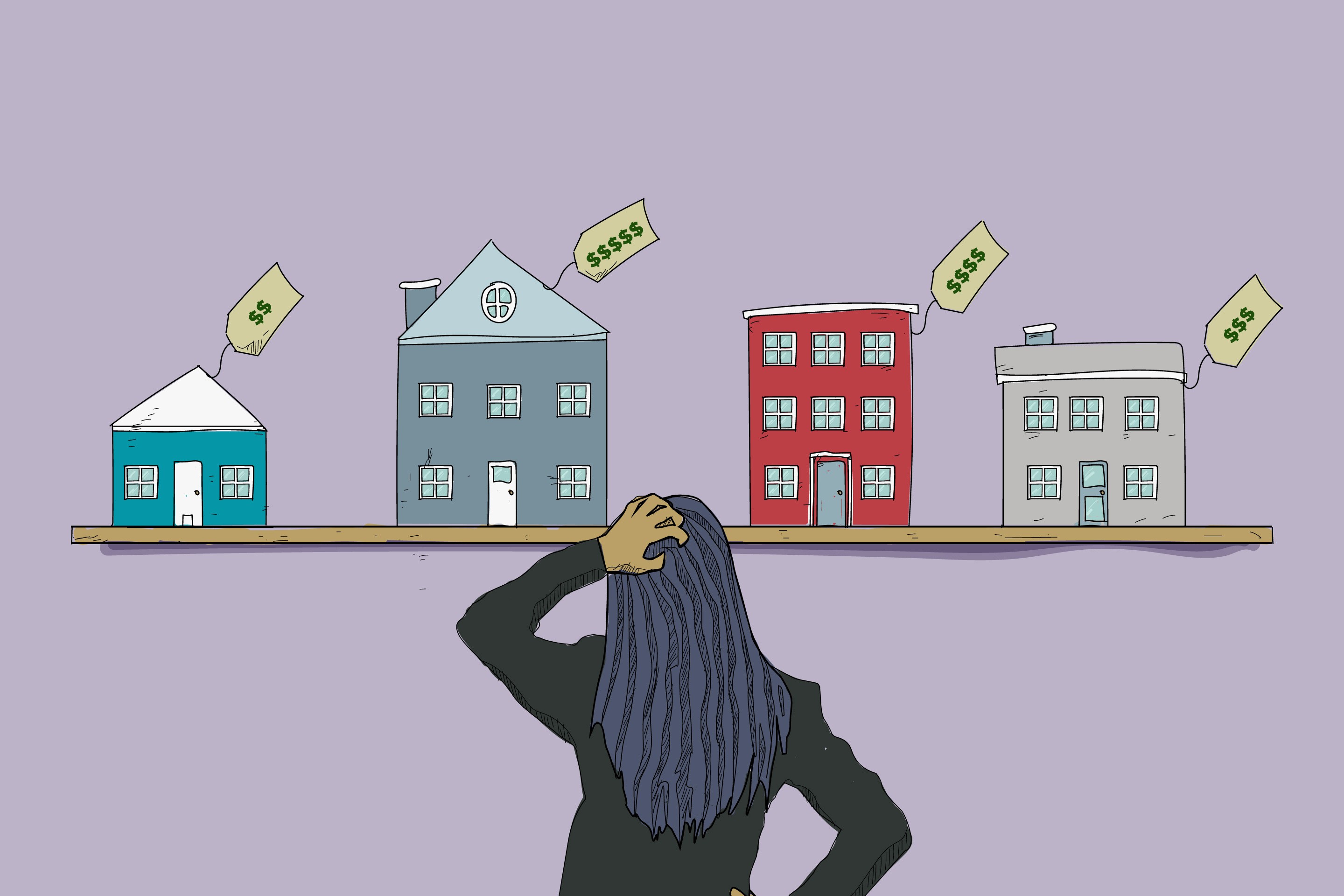
If you’re thinking about buying a home in 2025, one of the first (and most important) questions you need to answer is:
“How much house can I afford?”
It’s not just about the price tag on the listing — it’s about what you can comfortably pay each month without stretching your finances too thin.
As someone who’s personally funded $150M+ in mortgages and worked with hundreds of first-time buyers, I can tell you that understanding affordability is the foundation of a stress-free home buying journey.
This guide will walk you through the rules, calculations, and strategies to figure out your true home buying budget — the one that works in the real world, not just on paper.
1. Understanding Affordability: It’s More Than Just the Purchase Price
When most people ask “how much house can I afford,” they’re thinking about the total purchase price.
But affordability is determined by multiple factors:
Your income (gross annual)
Your existing debts (credit cards, loans, car payments)
Your down payment amount
Your credit score
The interest rate you qualify for
Ongoing costs like property taxes, utilities, and maintenance
💡 Pro Tip: The right home for you is one that fits your budget and your lifestyle. If you can’t still travel, save, and enjoy life after paying your mortgage, the house is too expensive.
2. How Lenders Decide Your Maximum Mortgage: GDS & TDS Ratios
In Canada, lenders use two affordability ratios to decide how much you can borrow:
GDS (Gross Debt Service Ratio)
This measures housing costs as a percentage of your gross monthly income.
Housing costs include: mortgage payment, property taxes, heat, and 50% of condo fees (if applicable).
Rule: Your GDS should be ≤ 39% of your gross income (some lenders allow up to 40%).
Example:
If your gross monthly income is $7,000, your max housing costs = $2,730/month.
TDS (Total Debt Service Ratio)
This measures all debt payments (housing costs + car loans + credit cards + other loans) as a percentage of gross income.
Rule: Your TDS should be ≤ 44% of your gross income.
Example:
If your housing costs are $2,500/month and your car payment is $500, that’s $3,000/month in debt payments. On $7,000 income, your TDS = 42.8% — still acceptable.
💡 Why This Matters:
Even if you think you can afford more, lenders will stick to these ratios — so understanding them helps you set realistic expectations before you start shopping.
3. The Impact of Your Down Payment on Affordability
Minimum Down Payments in Canada (2025):
Homes under $500,000 → 5% minimum
Homes $500,000–$999,999 → 5% on first $500k + 10% on remainder
Homes $1M+ → 20% minimum (no CMHC insurance)
Why It Matters:
The bigger your down payment, the smaller your mortgage (and monthly payments).
A larger down payment may qualify you for better rates.
Less than 20% down = CMHC insurance premium, which gets added to your mortgage.
4. Factoring in Interest Rates & the Stress Test
Mortgage Stress Test (2025 Rules):
Lenders must qualify you at the higher of:
The Bank of Canada’s benchmark rate (currently 5.25%)
Your contract rate + 2%
Example:
If your actual rate is 4.59%, you’ll be qualified at 6.59% — meaning your borrowing power will be lower than you expect.
Interest Rate Impact Example (25-year amortization):
$500,000 mortgage @ 4.59% = $2,785/month
$500,000 mortgage @ 6.59% = $3,385/month
That’s a $600 difference per month — which may reduce your approval amount by $70,000–$90,000.
5. Don’t Forget the “Hidden” Costs of Homeownership
Too many buyers only focus on the mortgage payment — but here’s what you also need to budget for:
Property Taxes — vary by city, typically $2,000–$6,000/year
Home Insurance — $1,000–$2,500/year
Utilities — $200–$500/month depending on home size and season
Maintenance & Repairs — 1–2% of home value annually
💡 Pro Tip: I advise clients to keep their total housing cost (including these items) under 35% of income for long-term comfort.
6. How to Calculate Your Own Affordability
You can do a quick estimate using this formula:
Step 1: Multiply your gross annual income by 4.5–5 (conservative range lenders use).
Step 2: Subtract other debts’ impact using the TDS ratio.
Step 3: Adjust for your down payment and the stress test.
Example Calculation:
Gross income: $120,000/year (=$10,000/month)
No major debts
Down payment: $75,000
Interest rate: 4.79% (qualified at 6.79%)
Max GDS payment: $3,900/month → ~ $650,000 home purchase price
7. How to Increase Your Affordability Before You Buy
Pay down debts — lowers TDS ratio instantly
Increase your down payment — use RRSP Home Buyers’ Plan or gifted funds
Improve your credit score — better score = better rate = higher affordability
Choose a longer amortization — lowers monthly payment (but costs more interest over time)
8. Tools & Resources
Mortgage Affordability Calculator Canada — Try my free calculator to get a personalized estimate
First-Time Home Buyer Programs — Incentives, rebates, and tax credits to boost your budget
Rate Watch Alerts — Get notified when rates drop to improve your affordability
Final Word: How Much House Should You REALLY Buy?
Your lender may tell you one number — but your real affordability depends on your lifestyle, risk tolerance, and future plans.
I recommend aiming below your maximum approval amount so you have room for unexpected expenses and life changes.
Need help figuring out your true budget?
I can give you a personalized affordability breakdown in under 24 hours.
If you’re thinking about buying a home in 2025, one of the first (and most important) questions you need to answer is:
“How much house can I afford?”
It’s not just about the price tag on the listing — it’s about what you can comfortably pay each month without stretching your finances too thin.
As someone who’s personally funded $150M+ in mortgages and worked with hundreds of first-time buyers, I can tell you that understanding affordability is the foundation of a stress-free home buying journey.
This guide will walk you through the rules, calculations, and strategies to figure out your true home buying budget — the one that works in the real world, not just on paper.
1. Understanding Affordability: It’s More Than Just the Purchase Price
When most people ask “how much house can I afford,” they’re thinking about the total purchase price.
But affordability is determined by multiple factors:
Your income (gross annual)
Your existing debts (credit cards, loans, car payments)
Your down payment amount
Your credit score
The interest rate you qualify for
Ongoing costs like property taxes, utilities, and maintenance
💡 Pro Tip: The right home for you is one that fits your budget and your lifestyle. If you can’t still travel, save, and enjoy life after paying your mortgage, the house is too expensive.
2. How Lenders Decide Your Maximum Mortgage: GDS & TDS Ratios
In Canada, lenders use two affordability ratios to decide how much you can borrow:
GDS (Gross Debt Service Ratio)
This measures housing costs as a percentage of your gross monthly income.
Housing costs include: mortgage payment, property taxes, heat, and 50% of condo fees (if applicable).
Rule: Your GDS should be ≤ 39% of your gross income (some lenders allow up to 40%).
Example:
If your gross monthly income is $7,000, your max housing costs = $2,730/month.
TDS (Total Debt Service Ratio)
This measures all debt payments (housing costs + car loans + credit cards + other loans) as a percentage of gross income.
Rule: Your TDS should be ≤ 44% of your gross income.
Example:
If your housing costs are $2,500/month and your car payment is $500, that’s $3,000/month in debt payments. On $7,000 income, your TDS = 42.8% — still acceptable.
💡 Why This Matters:
Even if you think you can afford more, lenders will stick to these ratios — so understanding them helps you set realistic expectations before you start shopping.
3. The Impact of Your Down Payment on Affordability
Minimum Down Payments in Canada (2025):
Homes under $500,000 → 5% minimum
Homes $500,000–$999,999 → 5% on first $500k + 10% on remainder
Homes $1M+ → 20% minimum (no CMHC insurance)
Why It Matters:
The bigger your down payment, the smaller your mortgage (and monthly payments).
A larger down payment may qualify you for better rates.
Less than 20% down = CMHC insurance premium, which gets added to your mortgage.
4. Factoring in Interest Rates & the Stress Test
Mortgage Stress Test (2025 Rules):
Lenders must qualify you at the higher of:
The Bank of Canada’s benchmark rate (currently 5.25%)
Your contract rate + 2%
Example:
If your actual rate is 4.59%, you’ll be qualified at 6.59% — meaning your borrowing power will be lower than you expect.
Interest Rate Impact Example (25-year amortization):
$500,000 mortgage @ 4.59% = $2,785/month
$500,000 mortgage @ 6.59% = $3,385/month
That’s a $600 difference per month — which may reduce your approval amount by $70,000–$90,000.
5. Don’t Forget the “Hidden” Costs of Homeownership
Too many buyers only focus on the mortgage payment — but here’s what you also need to budget for:
Property Taxes — vary by city, typically $2,000–$6,000/year
Home Insurance — $1,000–$2,500/year
Utilities — $200–$500/month depending on home size and season
Maintenance & Repairs — 1–2% of home value annually
💡 Pro Tip: I advise clients to keep their total housing cost (including these items) under 35% of income for long-term comfort.
6. How to Calculate Your Own Affordability
You can do a quick estimate using this formula:
Step 1: Multiply your gross annual income by 4.5–5 (conservative range lenders use).
Step 2: Subtract other debts’ impact using the TDS ratio.
Step 3: Adjust for your down payment and the stress test.
Example Calculation:
Gross income: $120,000/year (=$10,000/month)
No major debts
Down payment: $75,000
Interest rate: 4.79% (qualified at 6.79%)
Max GDS payment: $3,900/month → ~ $650,000 home purchase price
7. How to Increase Your Affordability Before You Buy
Pay down debts — lowers TDS ratio instantly
Increase your down payment — use RRSP Home Buyers’ Plan or gifted funds
Improve your credit score — better score = better rate = higher affordability
Choose a longer amortization — lowers monthly payment (but costs more interest over time)
8. Tools & Resources
Mortgage Affordability Calculator Canada — Try my free calculator to get a personalized estimate
First-Time Home Buyer Programs — Incentives, rebates, and tax credits to boost your budget
Rate Watch Alerts — Get notified when rates drop to improve your affordability
Final Word: How Much House Should You REALLY Buy?
Your lender may tell you one number — but your real affordability depends on your lifestyle, risk tolerance, and future plans.
I recommend aiming below your maximum approval amount so you have room for unexpected expenses and life changes.
Need help figuring out your true budget?
I can give you a personalized affordability breakdown in under 24 hours.
If you’re thinking about buying a home in 2025, one of the first (and most important) questions you need to answer is:
“How much house can I afford?”
It’s not just about the price tag on the listing — it’s about what you can comfortably pay each month without stretching your finances too thin.
As someone who’s personally funded $150M+ in mortgages and worked with hundreds of first-time buyers, I can tell you that understanding affordability is the foundation of a stress-free home buying journey.
This guide will walk you through the rules, calculations, and strategies to figure out your true home buying budget — the one that works in the real world, not just on paper.
1. Understanding Affordability: It’s More Than Just the Purchase Price
When most people ask “how much house can I afford,” they’re thinking about the total purchase price.
But affordability is determined by multiple factors:
Your income (gross annual)
Your existing debts (credit cards, loans, car payments)
Your down payment amount
Your credit score
The interest rate you qualify for
Ongoing costs like property taxes, utilities, and maintenance
💡 Pro Tip: The right home for you is one that fits your budget and your lifestyle. If you can’t still travel, save, and enjoy life after paying your mortgage, the house is too expensive.
2. How Lenders Decide Your Maximum Mortgage: GDS & TDS Ratios
In Canada, lenders use two affordability ratios to decide how much you can borrow:
GDS (Gross Debt Service Ratio)
This measures housing costs as a percentage of your gross monthly income.
Housing costs include: mortgage payment, property taxes, heat, and 50% of condo fees (if applicable).
Rule: Your GDS should be ≤ 39% of your gross income (some lenders allow up to 40%).
Example:
If your gross monthly income is $7,000, your max housing costs = $2,730/month.
TDS (Total Debt Service Ratio)
This measures all debt payments (housing costs + car loans + credit cards + other loans) as a percentage of gross income.
Rule: Your TDS should be ≤ 44% of your gross income.
Example:
If your housing costs are $2,500/month and your car payment is $500, that’s $3,000/month in debt payments. On $7,000 income, your TDS = 42.8% — still acceptable.
💡 Why This Matters:
Even if you think you can afford more, lenders will stick to these ratios — so understanding them helps you set realistic expectations before you start shopping.
3. The Impact of Your Down Payment on Affordability
Minimum Down Payments in Canada (2025):
Homes under $500,000 → 5% minimum
Homes $500,000–$999,999 → 5% on first $500k + 10% on remainder
Homes $1M+ → 20% minimum (no CMHC insurance)
Why It Matters:
The bigger your down payment, the smaller your mortgage (and monthly payments).
A larger down payment may qualify you for better rates.
Less than 20% down = CMHC insurance premium, which gets added to your mortgage.
4. Factoring in Interest Rates & the Stress Test
Mortgage Stress Test (2025 Rules):
Lenders must qualify you at the higher of:
The Bank of Canada’s benchmark rate (currently 5.25%)
Your contract rate + 2%
Example:
If your actual rate is 4.59%, you’ll be qualified at 6.59% — meaning your borrowing power will be lower than you expect.
Interest Rate Impact Example (25-year amortization):
$500,000 mortgage @ 4.59% = $2,785/month
$500,000 mortgage @ 6.59% = $3,385/month
That’s a $600 difference per month — which may reduce your approval amount by $70,000–$90,000.
5. Don’t Forget the “Hidden” Costs of Homeownership
Too many buyers only focus on the mortgage payment — but here’s what you also need to budget for:
Property Taxes — vary by city, typically $2,000–$6,000/year
Home Insurance — $1,000–$2,500/year
Utilities — $200–$500/month depending on home size and season
Maintenance & Repairs — 1–2% of home value annually
💡 Pro Tip: I advise clients to keep their total housing cost (including these items) under 35% of income for long-term comfort.
6. How to Calculate Your Own Affordability
You can do a quick estimate using this formula:
Step 1: Multiply your gross annual income by 4.5–5 (conservative range lenders use).
Step 2: Subtract other debts’ impact using the TDS ratio.
Step 3: Adjust for your down payment and the stress test.
Example Calculation:
Gross income: $120,000/year (=$10,000/month)
No major debts
Down payment: $75,000
Interest rate: 4.79% (qualified at 6.79%)
Max GDS payment: $3,900/month → ~ $650,000 home purchase price
7. How to Increase Your Affordability Before You Buy
Pay down debts — lowers TDS ratio instantly
Increase your down payment — use RRSP Home Buyers’ Plan or gifted funds
Improve your credit score — better score = better rate = higher affordability
Choose a longer amortization — lowers monthly payment (but costs more interest over time)
8. Tools & Resources
Mortgage Affordability Calculator Canada — Try my free calculator to get a personalized estimate
First-Time Home Buyer Programs — Incentives, rebates, and tax credits to boost your budget
Rate Watch Alerts — Get notified when rates drop to improve your affordability
Final Word: How Much House Should You REALLY Buy?
Your lender may tell you one number — but your real affordability depends on your lifestyle, risk tolerance, and future plans.
I recommend aiming below your maximum approval amount so you have room for unexpected expenses and life changes.
Need help figuring out your true budget?
I can give you a personalized affordability breakdown in under 24 hours.
Get my latest mortgage tips, tools, and guides — delivered right to you.
No spam, unsubscribe anytime.